
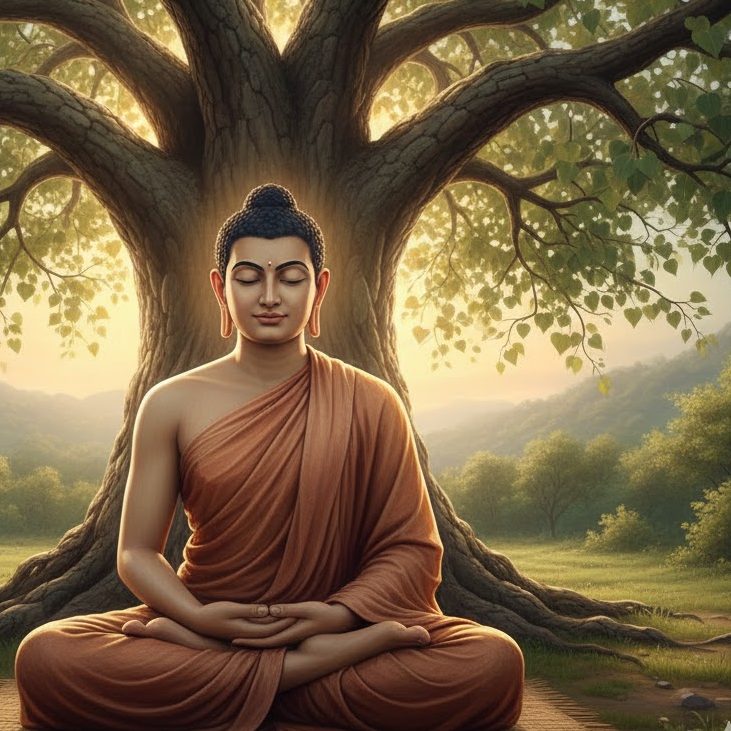
For thousands of years, Buddhist meditation has been practiced as a path toward inner peace, clarity, and spiritual awakening. While meditation is not a proven cure for disease, many people believe it has profoundly transformed their lives—helping them manage stress, improve mental health, and cultivate a deeper sense of purpose and healing.
The Healing Power of Buddhist Meditation
Buddhist meditation teaches practitioners to calm the mind, observe thoughts without attachment, and develop awareness of the present moment. This practice can create powerful effects on emotional and physical well-being.
Many people report that regular meditation helps them:
- Reduce stress and anxiety
- Improve focus and emotional balance
- Sleep better
- Lower feelings of depression
- Cope more peacefully with chronic pain or illness
- Strengthen resilience during difficult times
Scientific research has also shown that meditation can support overall wellness by reducing stress hormones and improving mental health—both of which can positively affect the body.
Spiritual “Miracles” in People’s Lives
Followers of Buddhism often describe the changes meditation brings as miraculous—not because of supernatural powers, but because of the dramatic inner transformation they experience.
People frequently say Buddhist practice has helped them:
- Overcome anger and resentment
- Heal damaged relationships
- Recover from addiction
- Find peace after grief or trauma
- Develop compassion and patience
- Discover meaning in suffering
For many, these transformations feel life-changing and extraordinary.
Following the Buddhist Path
Beyond meditation, Buddhism teaches a complete way of life often referred to as the Noble Eightfold Path—a guide for ethical living, wisdom, and mental discipline.
By following Buddhist teachings such as:
- Practicing compassion toward others
- Letting go of attachment and harmful desires
- Speaking truthfully and kindly
- Living mindfully and ethically
- Cultivating gratitude and generosity
many practitioners believe they “heal” their lives by reducing suffering at its source.
Real-Life Transformation Through Practice
Around the world, countless people credit Buddhist practice with helping them rebuild their lives. Some have turned to meditation during illness, grief, burnout, or personal crisis and found renewed strength, hope, and peace.
Though Buddhism does not promise magical cures, its followers often believe that the path offers something equally powerful: a way to transform suffering into wisdom and pain into compassion.
Conclusion
Buddhist meditation may not perform medical miracles, but for many people it creates profound inner change. Through mindfulness, compassion, discipline, and spiritual practice, followers of the Buddhist path often experience healing in their minds, relationships, and overall outlook on life.
In this way, Buddhist meditation can be seen not as a cure for disease, but as a path toward deeper peace, resilience, and personal transformation.
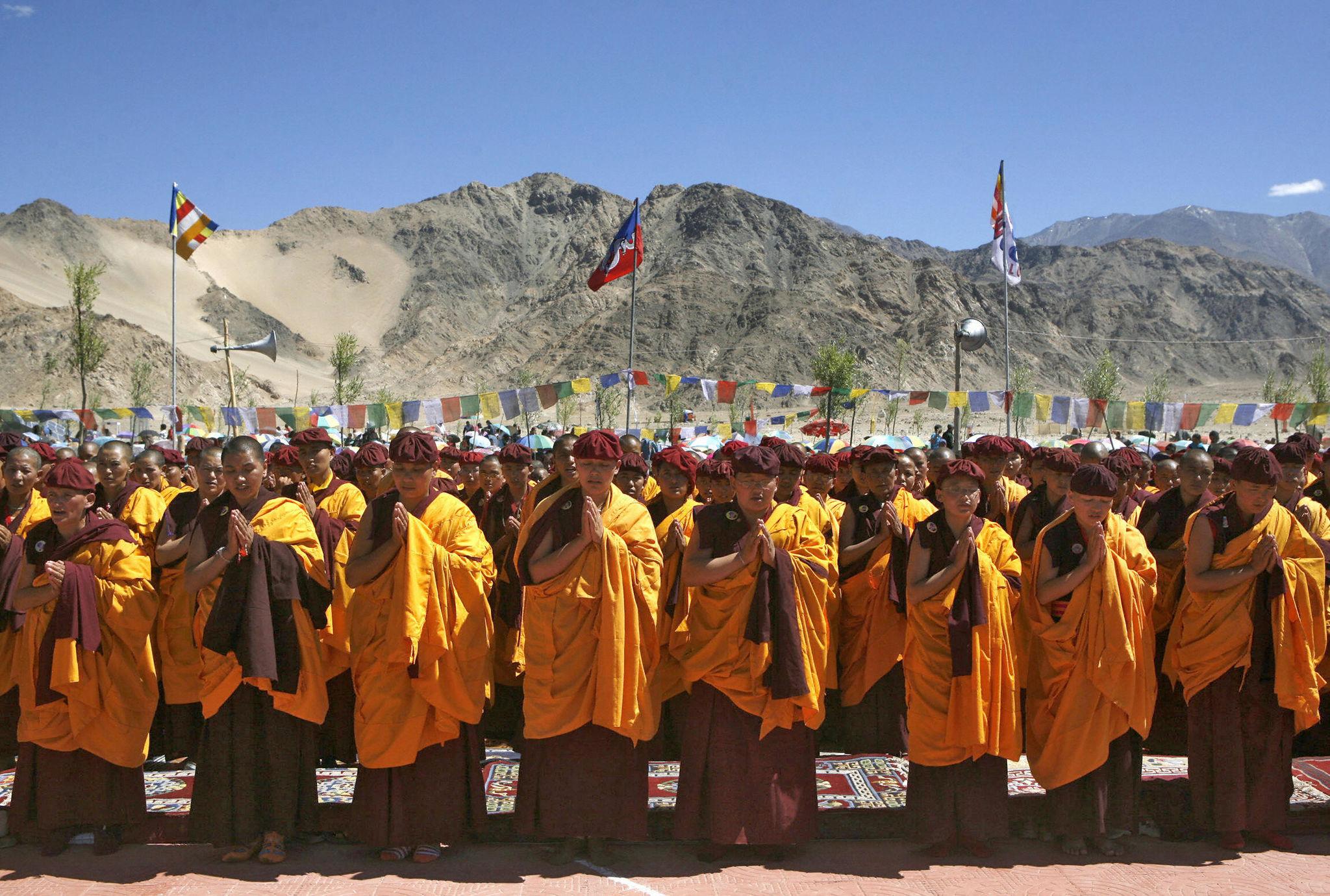

The mind is agitated or confused most of the time. Cleaning the mind from defilement is like the grain going against the wind. After a session of meditation your mind will be calm and peaceful. A mind without a body is the spirit. The Buddha uses 40 meditation objects to calm the mind of the practitioners. However, each practitioner will have to work on it by himself. The teacher only shows the way. Buddhism doesn’t have to be very ritualistic. You don’t have to pray, light incense and candles if you don’t want to.