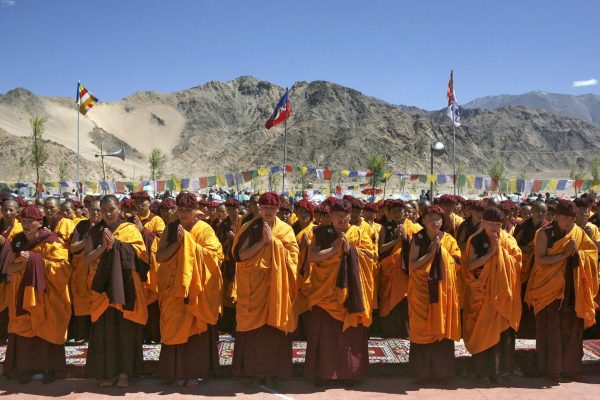
By Indo Buddhist Heritage Forum Nestled in the northernmost region of India, Ladakh is often called the “Land of High Passes.” Surrounded by the majestic Himalayas and characterized by rugged mountains, clear blue skies, and barren landscapes, Ladakh is not only famous for its natural beauty but also for its deep spiritual heritage. Buddhism plays a central role in the life, culture, and identity of the people of Ladakh. For centuries, it has shaped the traditions, art, architecture, festivals, and daily practices of the region. The significance of Buddhism in Ladakh extends beyond religion; it is the foundation of social harmony, cultural preservation, and spiritual guidance. Historical Background of Buddhism in Ladakh Buddhism reached Ladakh around the 2nd century through trade routes connecting India, Tibet, and Central Asia. However, it flourished significantly during the 10th century under the influence of Tibetan Buddhism. Ladakh became an important center of Mahayana Buddhism, especially the Vajrayana tradition. The spread of Buddhism in Ladakh was encouraged by rulers who built monasteries, promoted Buddhist teachings, and supported monks. Over time, monasteries became centers of education, spirituality, and administration. Even today, Buddhism remains deeply rooted in the region’s identity and continues to influence every aspect of life. Monasteries: Centers of Spiritual and Cultural Life One of the most visible symbols of Buddhism in Ladakh is its monasteries, locally known as gompas. Famous monasteries such as Hemis Monastery, Thiksey Monastery, and Diskit Monastery are not only places of worship but also important cultural institutions. These monasteries preserve ancient Buddhist scriptures, paintings, sculptures, and rituals. Monks living in these monasteries dedicate their lives to meditation, prayer, and the study of Buddhist philosophy. The monasteries also serve as educational centers where young monks learn literature, philosophy, and moral values. Many monasteries are built on hilltops overlooking valleys, symbolizing spiritual elevation and peace. Their architecture, colorful murals, prayer wheels, and giant statues of Buddha attract pilgrims and tourists from around the world. Influence on Culture and Traditions Buddhism strongly influences the customs and traditions of Ladakhi society. The teachings of compassion, non-violence, humility, and respect for all living beings guide people in their daily lives. The Buddhist way of life encourages harmony with nature and peaceful coexistence among communities. Traditional festivals in Ladakh are deeply connected with Buddhism. Festivals such as the Hemis Festival and Losar (Tibetan New Year) are celebrated with devotion and enthusiasm. During these festivals, monks perform sacred mask dances called Cham dances, which symbolize the victory of good over evil. Buddhist prayers, chanting, prayer flags, and stupas are common sights throughout Ladakh. These practices reflect the spiritual atmosphere of the region and strengthen community bonds. Buddhism and Art in Ladakh Buddhism has greatly contributed to the artistic heritage of Ladakh. Monasteries contain beautiful wall paintings, thangka paintings, wood carvings, and statues that depict the life of Buddha and Buddhist teachings. These artworks are not merely decorative; they serve educational and spiritual purposes. The influence of Tibetan Buddhist art is clearly visible in Ladakh’s architecture and paintings. The use of bright colors, intricate designs, and symbolic images reflects the rich spiritual traditions of the region. Local music, dance, and literature are also inspired by Buddhist beliefs. Religious songs and rituals are performed during ceremonies and festivals, preserving ancient traditions across generations. Role in Tourism and Economy Buddhism has also contributed significantly to the tourism industry in Ladakh. Thousands of tourists visit the region every year to experience its monasteries, festivals, and spiritual atmosphere. Buddhist heritage tourism has become an important source of income for local communities. Visitors are drawn to the peaceful environment of monasteries and the opportunity to learn meditation and Buddhist philosophy. As a result, Buddhism not only preserves cultural identity but also supports economic development in the region. Buddhism and Environmental Harmony One of the most important teachings of Buddhism is respect for nature and all forms of life. In Ladakh, where the environment is fragile and resources are limited, Buddhist values encourage sustainable living. People traditionally avoid wastefulness and maintain a balanced relationship with nature. Prayer flags fluttering across mountains and rivers symbolize prayers for peace, compassion, and environmental harmony. Buddhist teachings inspire communities to protect their surroundings and live simple, mindful lives. Conclusion Buddhism is the heart and soul of Ladakh. It has shaped the region’s history, culture, traditions, art, and social values for centuries. The monasteries, festivals, and spiritual practices of Ladakh reflect a deep connection between religion and everyday life. Beyond its religious importance, Buddhism promotes peace, compassion, environmental awareness, and cultural unity. In a rapidly changing modern world, Buddhism continues to preserve the unique identity of Ladakh and offers valuable lessons of harmony, simplicity, and spiritual wisdom to humanity.