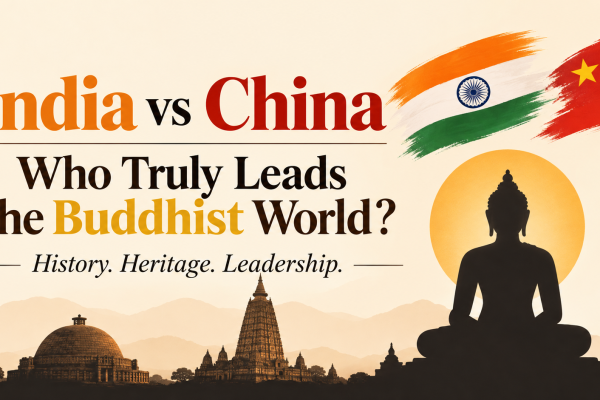
India vs China: Why India Has the Stronger Claim to Leadership in the Buddhist World
Writing
India vs China: Explore the battle for Buddhist heritage, from Buddhism’s Indian origins to cultural diplomacy, sacred sites, and global influence.

Writing
India vs China: Explore the battle for Buddhist heritage, from Buddhism’s Indian origins to cultural diplomacy, sacred sites, and global influence.
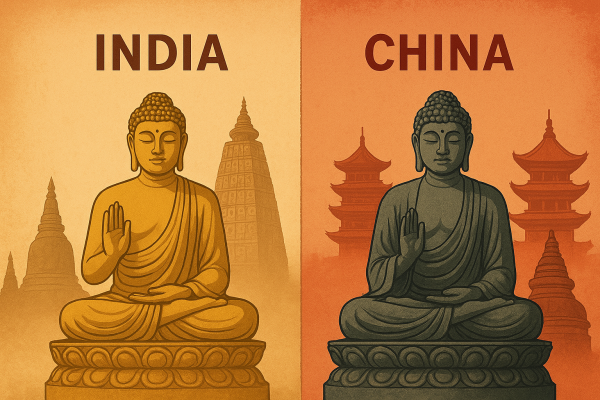
Buddhism, born over 2,500 years ago in the Indian subcontinent, has re-emerged in the twenty-first century as a powerful tool of diplomacy. Both China and India are harnessing Buddhism’s soft power potential to build cultural bridges and influence regional geopolitics. Yet the two nations’ methods and motivations could not be more different.
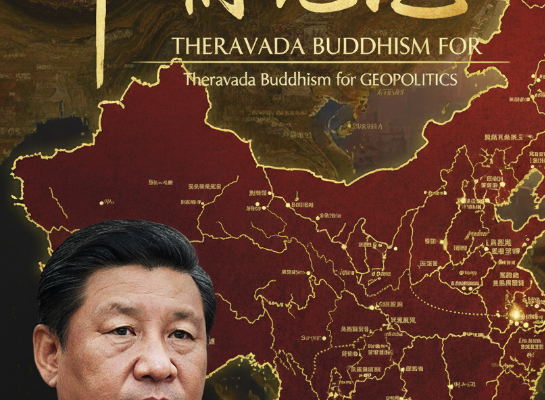
Under Xi Jinping, the CCP is weaponizing Theravada Buddhism for diplomacy and the Belt and Road Initiative. While temples in Yunnan face shortages and neglect, Beijing projects Buddhist imagery abroad to secure influence in Southeast Asia, from relic diplomacy in Myanmar to blocking the Dalai Lama in Sri Lanka. This strategy exposes the Party’s instrumental use of religion at the expense of authentic Buddhist practice.
