
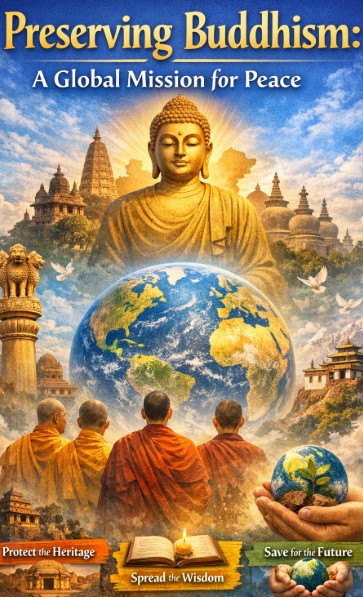
Preserving Buddhism in India and Across the World
Buddhism, one of the world’s oldest spiritual traditions, has faced periods of decline, especially in India where it originated. Over time, social changes, invasions, and the rise of other traditions led to a reduction in its influence. However, the need today is not just revival, but active preservation of Buddhist teachings and values both in India and globally.
Historical Efforts to Protect Buddhism
In ancient times, leaders like Ashoka played a crucial role in spreading and safeguarding Buddhism. He promoted teachings of compassion, nonviolence, and moral living across his empire and beyond. In modern history, B. R. Ambedkar revived Buddhism in India through Neo Buddhism, encouraging millions to embrace it as a path of equality and dignity.
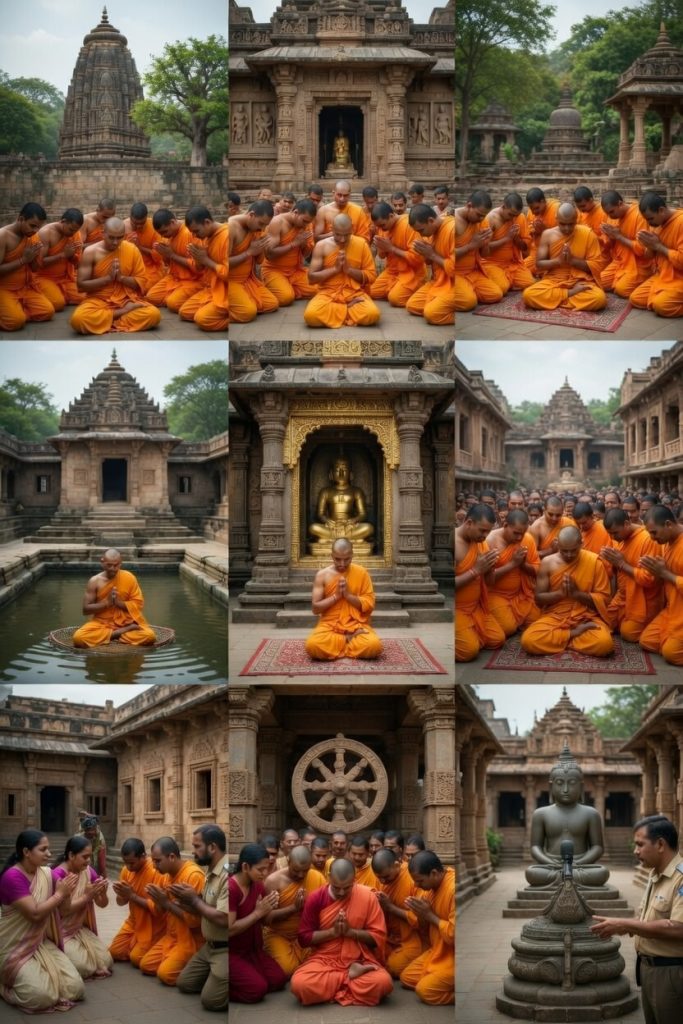
Why Preservation of Buddhism Matters Today
Buddhism offers timeless values such as mindfulness, compassion, and peace—principles that are deeply needed in today’s fast-paced and often divided world. Preserving Buddhism means protecting these teachings so future generations can benefit from a path that reduces suffering and promotes harmony.
Practical Ways to Preserve Buddhism Worldwide
Preserving Buddhism is not only the responsibility of monks or institutions but of individuals as well. People can contribute by practicing meditation, studying Buddhist teachings, supporting monasteries, and spreading awareness through education and digital platforms. Encouraging younger generations to understand and follow these teachings is also essential for long-term preservation.
A Global Responsibility
Today, Buddhism is practiced across many countries, making its preservation a shared global responsibility. By living according to its principles—mindfulness, compassion, and ethical conduct—individuals help keep the essence of Buddhism alive. Preservation is not just about protecting history, but about practicing and passing on a way of life that benefits all humanity.
Conclusion
The future of Buddhism depends on conscious efforts to preserve and practice its teachings. From ancient emperors to modern reformers, the journey of Buddhism shows resilience and transformation. Now, it is up to people around the world to continue this legacy, ensuring that the wisdom of Buddhism remains alive for generations to come.
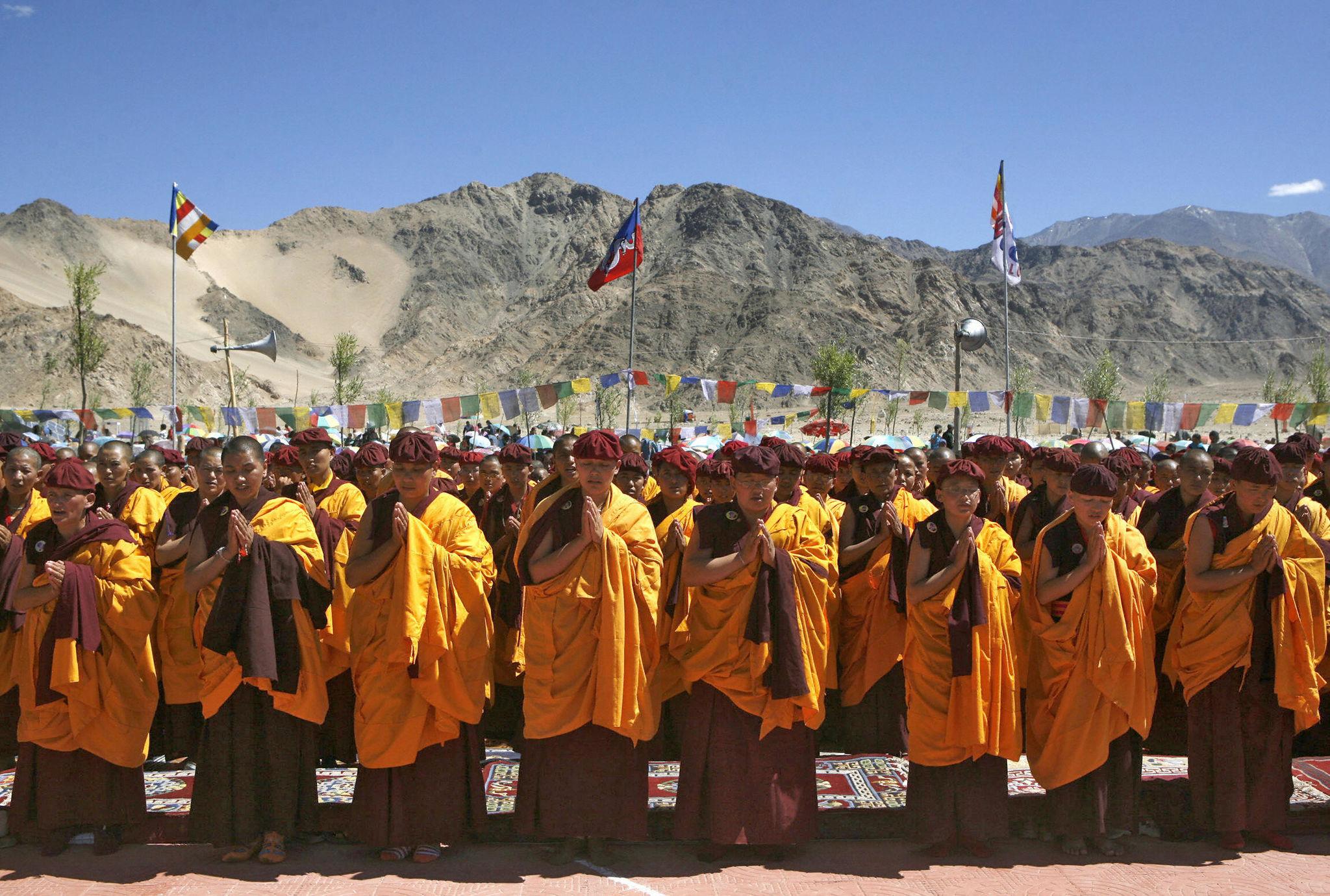

Buddhism is a radiant stream of awakened consciousness that continuously guides humankind toward inner peace, clarity and higher awareness. It carries a timeless path of transformation that enriches life with mindfulness, compassion and wisdom.
When Gautama Buddha revealed the essence of awareness and liberation, he offered a universal path that flows beyond boundaries and generations. This wisdom lives vibrantly in every mindful breath, every compassionate action and every moment filled with presence.
Great visionaries have expanded this light across time. Ashok shared the message of Dharm through peace and harmony, while B. R. Ambedkar reawakened its spirit with dignity, equality and social upliftment. Their contributions reflect the dynamic and ever-evolving nature of Buddhism.
In today’s world, the essence of Buddhism shines through daily living. Mindfulness brings clarity, compassion nurtures connection and wisdom elevates every decision. These principles create a harmonious balance within individuals and across society.
Each individual carries the Shakti to nurture and expand this living tradition. Through meditation, learning and sharing awareness, Buddhism continues to flourish in a natural and powerful way. When younger generations embrace these teachings, they shape a future filled with consciousness, balance and universal harmony.
The true essence of preservation lives in practice. Every moment of awareness, every expression of kindness and every step aligned with truth keeps the light of Buddhism glowing brightly. In this flow, Buddhism continues to inspire humankind guiding it toward peace, unity and awakened living.