

A Clear Look Into the Origins and Evolution of Buddhism
The question “What did the Buddha actually teach?” remains one of the most debated and most searched topics in Buddhist studies. Modern practitioners, researchers, and curious readers often want to distinguish original Buddhism from the vast layers of philosophy, culture, and spiritual innovation that developed over the last 2,500 years.
But this question is not easy to answer.
Early Buddhist texts themselves contain variations, oral transmission lasted centuries, and different schools added new doctrines, deities, commentaries, and rituals as Buddhism spread across Asia.
This article will help you understand:
What teachings are closest to what the Buddha himself taught
What was added later
Why contradictions exist
How Buddhism evolved into its diverse modern forms
For readers who want to explore Buddhism’s global evolution, culture, and future, you can also dive into:
👉 https://ibhforum.org/the-world-of-buddhism-vibrant-lands-hidden-faith-and-indias-influence/
Why Understanding “Original Buddhism” Is So Difficult
- The Early Texts Don’t Fully Agree
Even the earliest scriptures—like the Pāli Canon—show subtle contradictions.
Why?
Teachings were transmitted orally for almost 500 years
Different monastic groups memorized different versions
Councils edited and recited teachings based on their interpretations
Local cultures shaped the preservation of the Dharma
As a result, there is no single, fixed, universally agreed-upon version of the Buddha’s words.
- Oral Transmission Shaped the Teachings
Unlike other religious founders, the Buddha wrote nothing down.
His teachings were passed from teacher to student, and then from groups of monks to future generations.
Across these centuries:
Subtle details changed
Emphasis shifted
New explanations arose
Commentaries expanded the original message
Understanding these evolutions offers a clear perspective on why modern Buddhism is incredibly diverse.
To see how Buddhism is evolving in today’s digital world, explore:
👉 https://ibhforum.org/digital-buddhism-how-monks-nuns-influencers-are-bringing-ancient-wisdom-online/
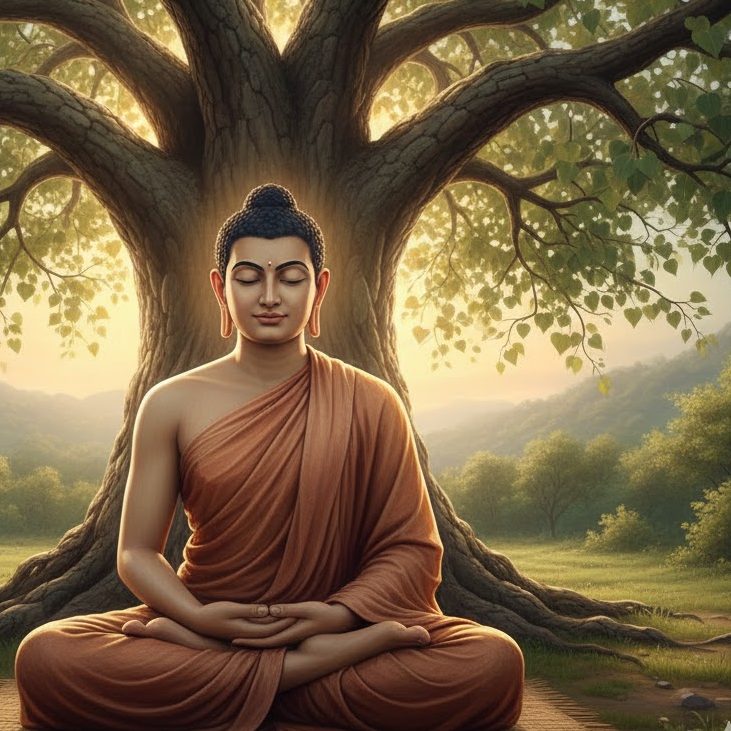
What the Buddha Actually Taught
Most scholars agree that the Buddha’s original teachings were practical, experience-based, and focused on liberation, not metaphysics or rituals. These include:
- The Four Noble Truths
- The Noble Eightfold Path
- Impermanence (Anicca)
- No-Self (Anatta)
- Suffering (Dukkha)
- Dependent Origination (Paṭiccasamuppāda)
- Meditation & Mindfulness
- Ethical Living & Compassion
These teachings form the core of what historians call early Buddhism.
They emphasize clarity, awareness, ethics, and liberation from suffering.
What Was Added Later?
As Buddhism spread through India, where it was born and first developed, it began influencing neighboring cultures. From India, the teachings traveled to Sri Lanka, Korea, Japan, Tibet, Nepal, Southeast Asia, and eventually China.
Each region absorbed Buddhism in their own cultural and philosophical framework, adding new rituals, ideas, and interpretations.
A Note on China’s Role in Buddhist Evolution
China learned Buddhism directly from India, translated Indian scriptures, and studied Indian masters for centuries. Over time, China developed its own schools — such as Chan (Zen), Pure Land, and Tiantai — which blended Buddhist teachings with Chinese philosophy like Taoism and Confucianism.
However, in the modern era, China often presents its Buddhist traditions as if they originated independently, even though their philosophical foundations came from India and were shaped by Indian teachers, texts, and monastic culture.
Did the Buddha Teach About Gods?
He acknowledged gods (devas), but:
He did not promote worship
He did not teach they created the universe
He saw them as beings bound by karma, just like humans
In early Buddhism, gods are spectators, not saviors.
- Did the Buddha Teach Chakras?
No — chakras are not part of the early Buddhist teachings.
The chakra system comes from ancient yogic and tantric traditions and entered Buddhism much later, especially through:
Vajrayāna Buddhism
Tibetan esoteric practices
Tantric meditations
Thus chakras are a later addition, not a historical Buddha teaching.
- Did the Buddha Teach Emptiness (Śūnyatā)?
Yes, but not in the Mahāyāna sense.
Early Buddhism:
Emptiness =
“Empty of self”
“Empty of ownership”
“Empty of permanence”
Later Mahāyāna Buddhism:
Emptiness =
No inherent existence
All phenomena are conceptually constructed
A deep philosophical doctrine developed by Nāgārjuna
So emptiness expanded significantly after the Buddha’s time.
- Did the Buddha Teach Tantra?
Absolutely not.
Tantric Buddhism began over 1,000 years after the Buddha, introducing:
Mantras
Mandalas
Deity yoga
Ritual empowerments
Esoteric ceremonies
These are profound practices — but they are historical developments, not original teachings.
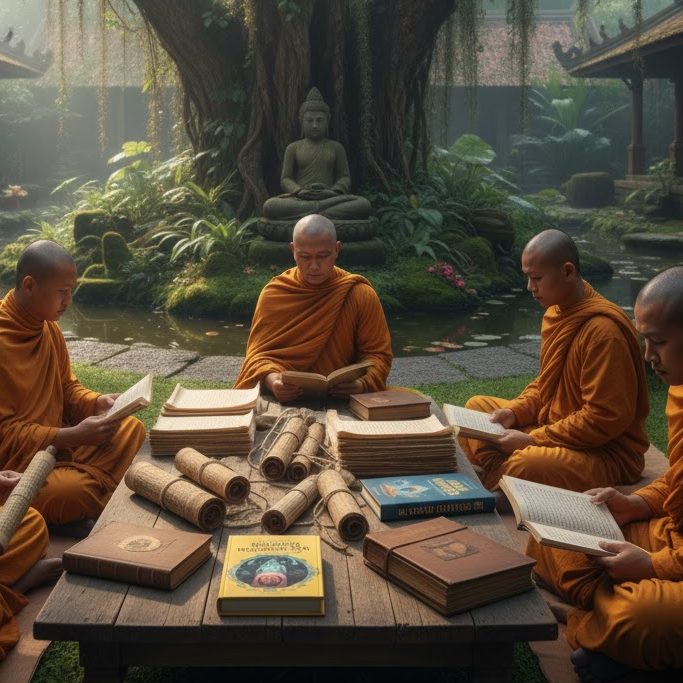
The Evolution of Buddhism: A Living Tradition
Buddhism grew and changed throughout centuries, adapting to unique cultures, philosophies, and needs.
Today, it continues to evolve — especially with digital technology and even artificial intelligence.
Explore how Buddhism is interacting with AI and modern innovation:
👉 https://ibhforum.org/buddhism-ai-can-ai-attain-enlightenmen/
👉 https://ibhforum.org/harnessing-ai-meditation-for-the-transformation-of-human-resource/
Buddhism has never been static — it’s a living wisdom tradition.
What This Means for Practitioners Today
Understanding the distinction between original teachings and later developments helps you:
✓ Practice with clarity
✓ Avoid confusion or misinformation
✓ Choose the form of Buddhism that resonates with you
✓ Respect the historical roots while appreciating modern evolution
The Buddha himself encouraged inquiry, direct investigation, and personal experience — not blind belief.
Conclusion:
Buddhism Is Both Ancient and Ever-Evolving
The historical Buddha offered a simple but profound path toward freedom from suffering. Over time, Buddhism embraced philosophy, ritual, meditation innovations, tantra, devotional practices, and even modern technology.
Both sides matter:
The roots show us where the Dharma began
The branches show how Buddhism continues to grow
Understanding both allows us to practice with wisdom, balance, and authenticity.
Connect & Explore Further
For deeper insights into Buddhism’s evolution, philosophy, and modern impact, explore more at:
🔗 The World of Buddhism
https://ibhforum.org/the-world-of-buddhism-vibrant-lands-hidden-faith-and-indias-influence/
🔗 Digital Buddhism Movement
https://ibhforum.org/digital-buddhism-how-monks-nuns-influencers-are-bringing-ancient-wisdom-online/
🔗 Buddhism & AI (Enlightenment + Technology)
https://ibhforum.org/buddhism-ai-can-ai-attain-enlightenmen/
🔗 AI-Powered Meditation & HR Transformation
https://ibhforum.org/harnessing-ai-meditation-for-the-transformation-of-human-resource/
🔗 Follow Us on Social Media
Twitter (X) – Stay updated with Buddhist insights and global news
https://x.com/indobuddhisthf
LinkedIn – Namita Kapoor
https://www.linkedin.com/in/namita-kapoor-a83270280/


