Introduction
Buddhist heritage represents one of humanity’s most profound civilizational legacies. Emerging in the sixth century BCE with the teachings of Siddhartha Gautama, Buddhism evolved from a regional spiritual tradition in the Indian subcontinent into a global philosophical, ethical, and cultural force. Today, Buddhist heritage encompasses not only ancient monasteries, stupas, scriptures, and artistic traditions but also living practices, philosophical ideas, educational institutions, ecological ethics, and intercultural dialogue. It has shaped societies across Asia and increasingly influences contemporary debates on peace, sustainability, mental health, human rights, diplomacy, and global ethics.
In the twenty-first century, Buddhist heritage has acquired renewed significance within international discourse. Governments, academic institutions, international organizations, and civil society increasingly recognize Buddhism as an important source of cultural diplomacy, sustainable development, conflict resolution, and heritage preservation. Rather than being confined to religious history, Buddhist heritage has become an integral component of global conversations concerning cultural identity, intercultural understanding, tourism, environmental stewardship, and the protection of shared human civilization.
This article explores Buddhist heritage from historical, cultural, philosophical, political, and global perspectives. It examines the evolution of Buddhism, its material and intangible heritage, its influence across civilizations, and its growing relevance in shaping international dialogue.
Origins and Historical Evolution of Buddhist Heritage
Buddhism originated in ancient India during a period of intense intellectual and religious transformation. Siddhartha Gautama, after attaining enlightenment under the Bodhi Tree at Mahabodhi Temple, articulated a path centered upon wisdom, ethical conduct, and mental discipline. His teachings emphasized the Four Noble Truths and the Noble Eightfold Path as means to overcome suffering.
Following the Buddha’s passing, Buddhist communities preserved his teachings through oral traditions before compiling them into canonical texts. The early Buddhist councils played a significant role in standardizing doctrine and establishing monastic discipline. Over time, different schools emerged, including Theravāda, Mahāyāna, and Vajrayāna, each contributing unique philosophical interpretations while maintaining the foundational principles of compassion, non-violence, and spiritual awakening.
The expansion of Buddhism accelerated during the reign of Ashoka in the third century BCE. After embracing Buddhism following the devastating Kalinga War, Ashoka transformed imperial governance by promoting moral administration, religious tolerance, and non-violence. His inscriptions, pillars, and stupas remain among the earliest and most enduring examples of Buddhist cultural heritage.
Missionaries dispatched under Ashoka’s patronage introduced Buddhism to regions including Sri Lanka, Central Asia, Southeast Asia, and eventually East Asia. Along these routes, Buddhism became intertwined with local traditions, producing diverse forms of architecture, literature, ritual, and artistic expression.
Material Heritage: Monuments, Architecture, and Sacred Landscapes
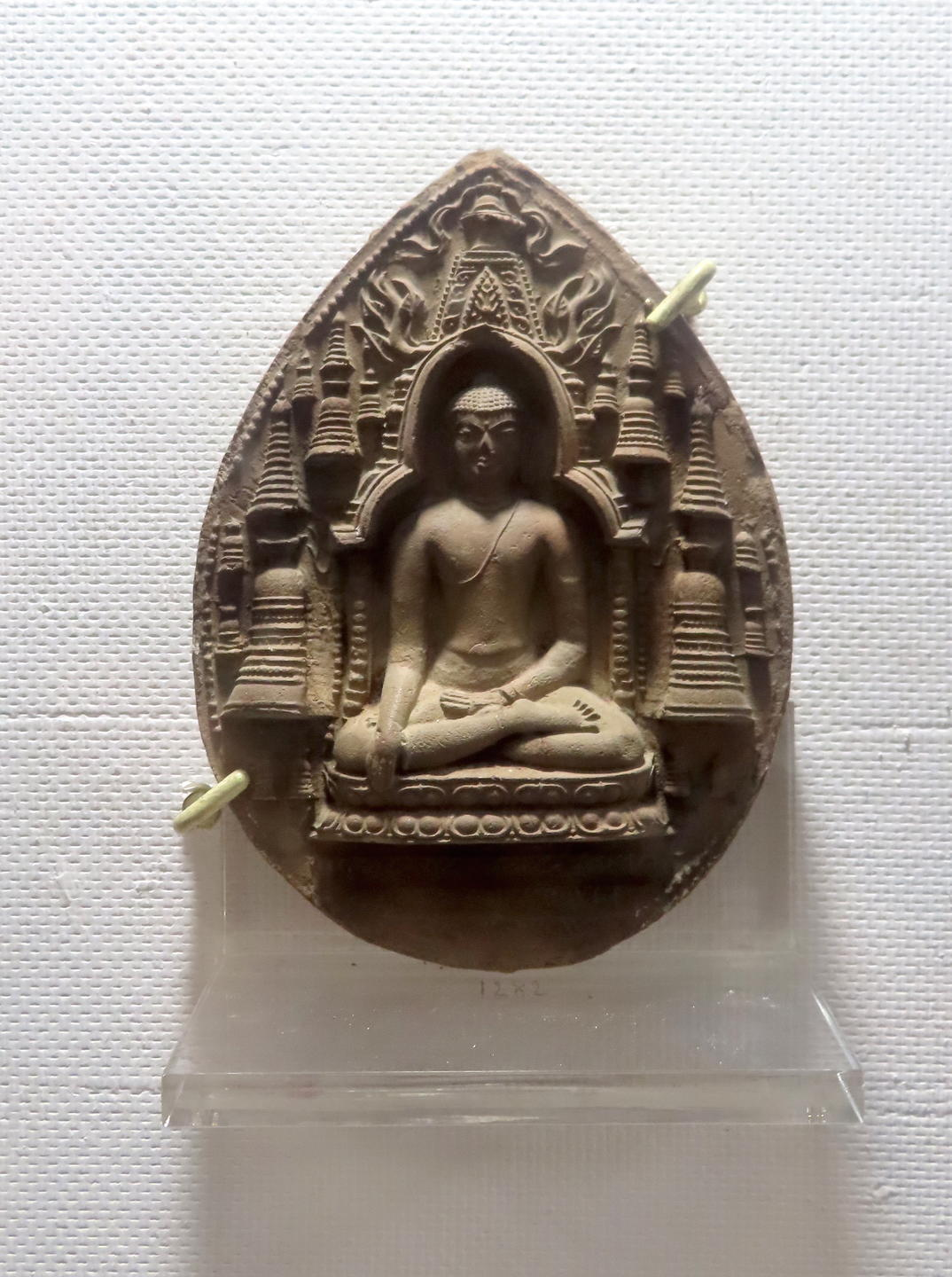
The physical remains of Buddhist civilization constitute some of the world’s most significant cultural treasures. Buddhist heritage is expressed through sacred architecture, archaeological sites, monasteries, caves, sculptures, paintings, manuscripts, and pilgrimage landscapes.
Major monuments such as the Sanchi Stupa, Mahabodhi Temple, Ajanta Caves, and Ellora Caves demonstrate the architectural sophistication of Buddhist civilizations. These monuments illustrate not only religious devotion but also remarkable achievements in engineering, sculpture, mural painting, urban planning, and artistic symbolism.
Beyond India, Buddhist monuments such as Borobudur, Shwedagon Pagoda, Temple of the Tooth, and Jokhang Temple reveal the remarkable adaptability of Buddhist artistic traditions across cultures.
These monuments serve multiple purposes. They function as places of worship, centers of education, repositories of historical memory, tourist destinations, and symbols of national identity. They also provide invaluable evidence for understanding ancient trade, artistic exchange, political history, and intercultural interaction.
Intangible Buddhist Heritage
While monuments attract considerable attention, Buddhist heritage extends far beyond physical structures. Intangible heritage includes meditation practices, oral traditions, ethical teachings, rituals, festivals, monastic education, philosophical debates, classical languages, manuscript traditions, music, and performing arts.
Meditation traditions—including mindfulness, insight meditation, Zen practice, and Tibetan contemplative methods—have gained worldwide recognition. Their integration into psychology, neuroscience, healthcare, and education demonstrates how ancient Buddhist practices continue to influence modern scientific research and public policy.
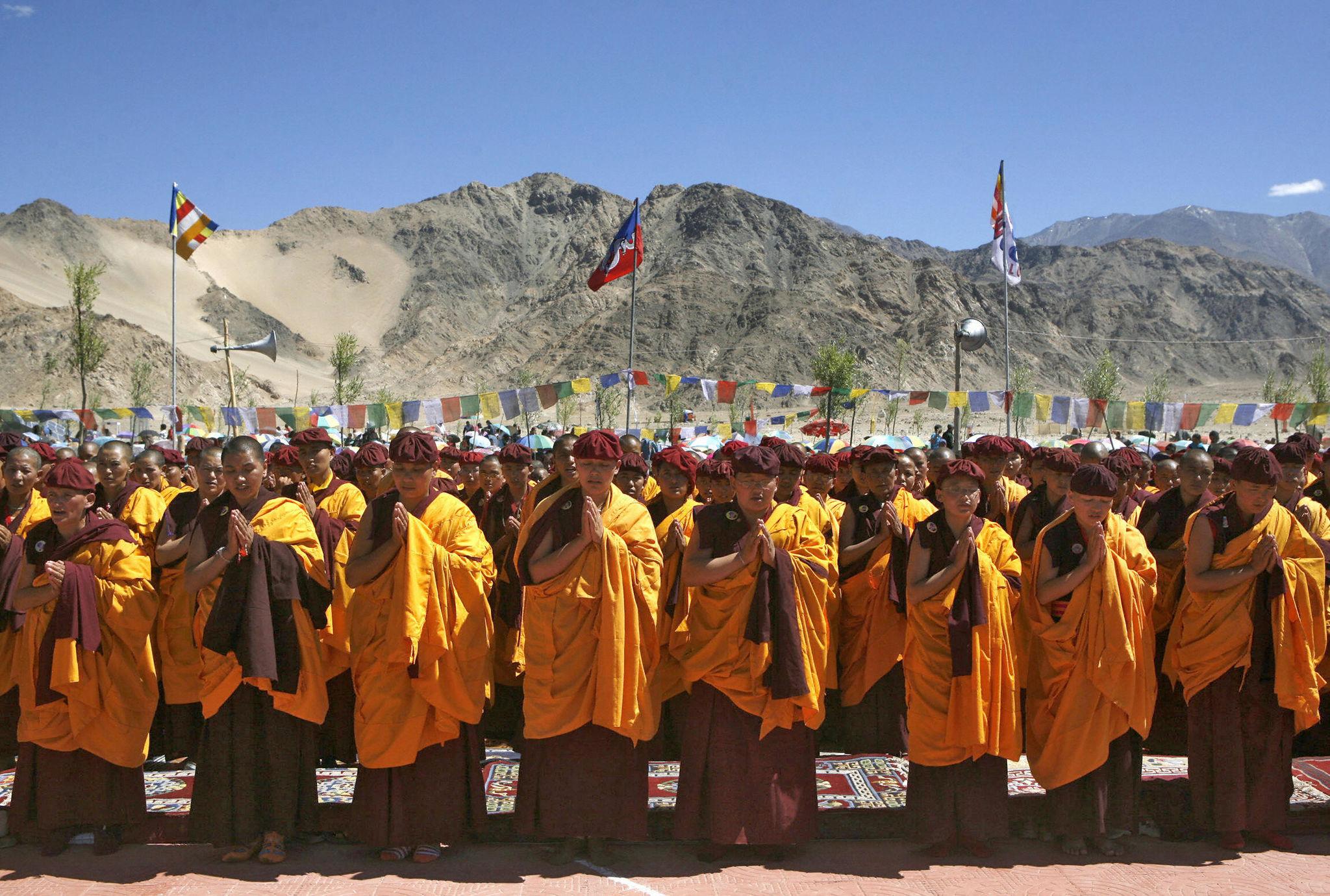
Buddhist festivals preserve centuries-old traditions while reinforcing social cohesion. Celebrations such as Vesak commemorate the Buddha’s birth, enlightenment, and passing away, bringing together millions of practitioners across different cultures.
The preservation of Pāli, Sanskrit, Tibetan, Chinese, and other Buddhist literary traditions also constitutes an important dimension of intangible heritage. These texts contain philosophical reflections, ethical principles, historical narratives, medical knowledge, and educational traditions that continue to inspire scholars around the world.
Buddhist Heritage and Cultural Exchange
Few religious traditions have contributed as extensively to intercultural exchange as Buddhism. Its expansion followed commercial routes that connected South Asia with Central Asia, China, Korea, Japan, Southeast Asia, and eventually the wider world.
The Silk Road functioned not only as a commercial corridor but also as a channel for intellectual and artistic interaction. Buddhist monks, merchants, translators, and scholars transmitted religious ideas alongside advances in medicine, astronomy, literature, architecture, mathematics, and visual arts.
Translation projects undertaken in China transformed Buddhist philosophy while simultaneously enriching Chinese literature and language. Similar exchanges occurred in Tibet, Japan, Mongolia, Sri Lanka, Thailand, Cambodia, Laos, Myanmar, and Vietnam.
These interactions demonstrate that Buddhist heritage has historically encouraged dialogue rather than isolation. Instead of replacing indigenous traditions, Buddhism often interacted creatively with local philosophies, resulting in unique regional expressions that enriched global civilization.
Buddhist Philosophy in Global Ethical Discourse
Contemporary global discourse increasingly engages with Buddhist philosophical concepts to address complex ethical challenges.
The principle of compassion offers an alternative framework for discussing social justice, humanitarian assistance, refugee protection, and peacebuilding. Buddhist notions of interdependence encourage recognition of the interconnected nature of humanity, ecosystems, economies, and international relations.
Non-violence remains one of Buddhism’s most influential contributions to global ethics. Although developed within ancient spiritual traditions, its principles continue to inform discussions on conflict resolution, restorative justice, diplomacy, and reconciliation.
Mindfulness has become particularly influential within psychology, education, organizational leadership, and healthcare. While contemporary applications often differ from traditional religious contexts, they demonstrate the continuing relevance of Buddhist contemplative practices in addressing stress, mental health, and emotional resilience.
Buddhist Heritage and International Organizations
International organizations increasingly recognize Buddhist heritage as part of humanity’s shared cultural inheritance. Conservation initiatives emphasize the protection of archaeological sites, manuscripts, monasteries, and cultural landscapes threatened by urbanization, climate change, conflict, and illicit trafficking.
Academic collaborations facilitate archaeological excavations, digital preservation projects, manuscript conservation, and interdisciplinary research involving historians, archaeologists, anthropologists, architects, and heritage professionals.
International conferences devoted to Buddhist studies encourage scholarly cooperation across countries and disciplines. Such collaborations strengthen mutual understanding while promoting evidence-based approaches to heritage management.
Buddhist Heritage as Cultural Diplomacy
Many countries employ Buddhist heritage as an instrument of cultural diplomacy. Shared Buddhist traditions create opportunities for international cooperation through tourism, education, academic exchange, archaeological research, museum exhibitions, and religious dialogue.
Pilgrimage tourism generates significant economic benefits while strengthening cultural ties between nations. Sacred sites associated with the Buddha attract visitors from Sri Lanka, Thailand, Myanmar, Japan, China, South Korea, Vietnam, Bhutan, Nepal, Mongolia, and numerous Western countries.
Educational exchanges involving Buddhist universities, research institutes, and monasteries foster cross-cultural learning. Conferences, exhibitions, and heritage festivals similarly encourage dialogue among governments, scholars, and communities.
Such initiatives illustrate how cultural heritage can function as a bridge between societies rather than merely a record of the past.
Challenges in Preserving Buddhist Heritage
Despite growing recognition, Buddhist heritage faces numerous threats.
Rapid urbanization places pressure on archaeological landscapes and sacred monuments. Climate change accelerates the deterioration of ancient structures through changing weather patterns, flooding, and erosion.
Armed conflicts have damaged monasteries, manuscripts, sculptures, and sacred sites in several regions. Illicit trafficking of antiquities remains a persistent concern, removing cultural objects from their historical contexts.
Commercial tourism presents another challenge. While tourism generates revenue for conservation, excessive commercialization can undermine the spiritual significance of sacred places. Heritage managers therefore seek sustainable models that balance preservation, religious practice, local community interests, and visitor access.
Digital preservation has emerged as an important response. Three-dimensional scanning, virtual reconstruction, digital archives, and artificial intelligence now contribute to documenting vulnerable monuments and manuscripts for future generations.
Buddhist Heritage and Sustainable Development
The relationship between Buddhist philosophy and sustainable development has attracted increasing scholarly attention. Buddhist teachings encourage moderation, responsible consumption, environmental respect, and harmonious coexistence with nature.
These principles align with contemporary discussions on climate action, biodiversity conservation, ethical economics, and sustainable lifestyles. Monastic communities in several countries participate in forest conservation, wildlife protection, water management, and environmental education.
Buddhist ethical perspectives also contribute to debates concerning responsible technology, business ethics, healthcare, and social welfare by emphasizing compassion, mindfulness, and long-term well-being rather than purely material success.
Buddhism in Contemporary Global Society
Today Buddhism is practiced on every inhabited continent. Migration, globalization, academic exchange, digital communication, and international travel have transformed Buddhism into a truly global tradition.
Universities worldwide offer programs in Buddhist philosophy, history, languages, archaeology, and religious studies. Scientific research increasingly examines meditation, cognition, emotional regulation, and consciousness through interdisciplinary collaboration between neuroscientists and Buddhist scholars.
Digital technologies have expanded access to Buddhist texts, virtual museums, online educational programs, and international conferences. This digital transformation has enabled greater participation while also creating new opportunities for heritage preservation and public education.
The globalization of Buddhism demonstrates that heritage remains dynamic rather than static. Ancient traditions continue to evolve while addressing contemporary social, ethical, and environmental challenges.
The Future of Buddhist Heritage
The future of Buddhist heritage depends upon balancing preservation with adaptation. Protecting monuments alone is insufficient; equal attention must be devoted to safeguarding languages, manuscripts, oral traditions, educational institutions, artistic practices, and living communities.
International cooperation will remain essential in addressing challenges such as climate change, armed conflict, illicit trafficking, digital preservation, and sustainable tourism. Greater participation by local communities, indigenous custodians, scholars, governments, and international organizations will strengthen long-term conservation efforts.
Emerging technologies—including digital documentation, artificial intelligence, virtual reality, and advanced conservation science—offer unprecedented opportunities to preserve and interpret Buddhist heritage while making it accessible to global audiences.
Ultimately, Buddhist heritage should be understood not merely as the legacy of a single religion but as an enduring contribution to world civilization. Its values of compassion, wisdom, ethical responsibility, non-violence, and interconnectedness continue to provide meaningful insights for addressing the complex challenges of the twenty-first century.
Conclusion
Buddhist heritage transcends geographical boundaries, political divisions, and historical periods. It embodies an extraordinary combination of tangible monuments, philosophical traditions, artistic achievements, ethical teachings, and living cultural practices that have influenced civilizations for more than two millennia. From ancient pilgrimage centers and monumental architecture to meditation traditions and global ethical discourse, Buddhism continues to shape cultural identities and international engagement.
In an era characterized by globalization, environmental crises, technological transformation, and cultural diversity, Buddhist heritage offers enduring perspectives on coexistence, dialogue, compassion, and sustainable development. Its preservation is therefore not merely an act of protecting the past but an investment in humanity’s shared future. As scholars, policymakers, religious communities, and citizens work together to conserve and reinterpret this legacy, Buddhist heritage will continue to enrich global discourse and foster mutual understanding across cultures and generations.