Buddhism Study Its Origins and Global Footsteps

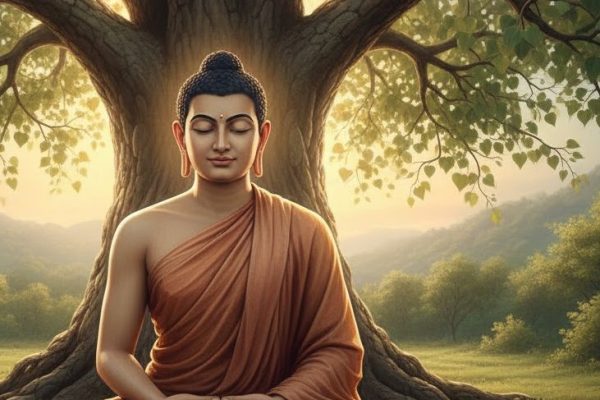
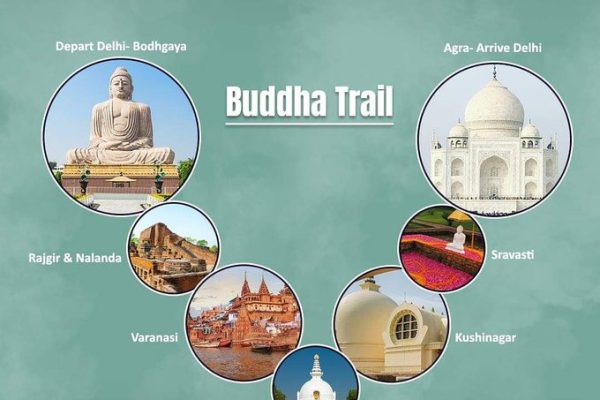
Buddhism is one of the worlds oldest spiritual traditions. It is based on the teachings of Siddhartha Gautama, the Buddha, who showed a path of wisdom, ethical living, and mindful awareness. The goal of Buddhist study is to understand the nature of life and to free oneself from suffering. India The Auspicious Birthplace of Buddhism India is the sacred land where Buddhism began. In Bodh Gaya, Siddhartha attained enlightenment under the Bodhi Tree, making India an auspicious and spiritually blessed place. Ancient universities like Nalanda and Vikramashila helped spread Buddhist knowledge across Asia. Even today, India remains a major center for Buddhist learning, pilgrimage, and meditation. Buddhist Study in Other Countries Sri Lanka preserved Theravada teachings for centuries and remains a strong center of monastic study.Thailand has a living Buddhist culture where many young people spend time in monasteries to learn meditation.Myanmar is known for its Vipassana meditation traditions practiced worldwide.Japan developed Zen Buddhism, which focuses on simple living and deep meditation.South Korea blends meditation and scripture study in its traditional monasteries.Nepal, the birthplace of Prince Siddhartha, continues to be an important pilgrimage site.Bhutan follows Buddhism as a way of life and values compassion in its national philosophy. Following the Buddhas Footsteps Today People around the world study Buddhism through meditation, scripture, retreats, and travel to sacred sites. The teachings continue to guide millions toward peace and understanding. At the heart of this spiritual journey stands India, the blessed land where the light of Buddhism first began.

Read More

What Did the Buddha Actually Teach vs. Later Additions?

A Clear Look Into the Origins and Evolution of Buddhism The question “What did the Buddha actually teach?” remains one of the most debated and most searched topics in Buddhist studies. Modern practitioners, researchers, and curious readers often want to distinguish original Buddhism from the vast layers of philosophy, culture, and spiritual innovation that developed over the last 2,500 years. But this question is not easy to answer. Early Buddhist texts themselves contain variations, oral transmission lasted centuries, and different schools added new doctrines, deities, commentaries, and rituals as Buddhism spread across Asia. This article will help you understand: What teachings are closest to what the Buddha himself taught What was added later Why contradictions exist How Buddhism evolved into its diverse modern forms For readers who want to explore Buddhism’s global evolution, culture, and future, you can also dive into:👉 https://ibhforum.org/the-world-of-buddhism-vibrant-lands-hidden-faith-and-indias-influence/ Why Understanding “Original Buddhism” Is So Difficult Even the earliest scriptures—like the Pāli Canon—show subtle contradictions.Why? Teachings were transmitted orally for almost 500 years Different monastic groups memorized different versions Councils edited and recited teachings based on their interpretations Local cultures shaped the preservation of the Dharma As a result, there is no single, fixed, universally agreed-upon version of the Buddha’s words. Unlike other religious founders, the Buddha wrote nothing down.His teachings were passed from teacher to student, and then from groups of monks to future generations. Across these centuries: Subtle details changed Emphasis shifted New explanations arose Commentaries expanded the original message Understanding these evolutions offers a clear perspective on why modern Buddhism is incredibly diverse. To see how Buddhism is evolving in today’s digital world, explore:👉 https://ibhforum.org/digital-buddhism-how-monks-nuns-influencers-are-bringing-ancient-wisdom-online/ What the Buddha Actually Taught Most scholars agree that the Buddha’s original teachings were practical, experience-based, and focused on liberation, not metaphysics or rituals. These include: These teachings form the core of what historians call early Buddhism. They emphasize clarity, awareness, ethics, and liberation from suffering. What Was Added Later? As Buddhism spread through India, where it was born and first developed, it began influencing neighboring cultures. From India, the teachings traveled to Sri Lanka, Korea, Japan, Tibet, Nepal, Southeast Asia, and eventually China. Each region absorbed Buddhism in their own cultural and philosophical framework, adding new rituals, ideas, and interpretations. A Note on China’s Role in Buddhist Evolution China learned Buddhism directly from India, translated Indian scriptures, and studied Indian masters for centuries. Over time, China developed its own schools — such as Chan (Zen), Pure Land, and Tiantai — which blended Buddhist teachings with Chinese philosophy like Taoism and Confucianism. However, in the modern era, China often presents its Buddhist traditions as if they originated independently, even though their philosophical foundations came from India and were shaped by Indian teachers, texts, and monastic culture. Did the Buddha Teach About Gods? He acknowledged gods (devas), but: He did not promote worship He did not teach they created the universe He saw them as beings bound by karma, just like humans In early Buddhism, gods are spectators, not saviors. No — chakras are not part of the early Buddhist teachings. The chakra system comes from ancient yogic and tantric traditions and entered Buddhism much later, especially through: Vajrayāna Buddhism Tibetan esoteric practices Tantric meditations Thus chakras are a later addition, not a historical Buddha teaching. Yes, but not in the Mahāyāna sense. Early Buddhism: Emptiness = “Empty of self” “Empty of ownership” “Empty of permanence” Later Mahāyāna Buddhism: Emptiness = No inherent existence All phenomena are conceptually constructed A deep philosophical doctrine developed by Nāgārjuna So emptiness expanded significantly after the Buddha’s time. Absolutely not. Tantric Buddhism began over 1,000 years after the Buddha, introducing: Mantras Mandalas Deity yoga Ritual empowerments Esoteric ceremonies These are profound practices — but they are historical developments, not original teachings. The Evolution of Buddhism: A Living Tradition Buddhism grew and changed throughout centuries, adapting to unique cultures, philosophies, and needs. Today, it continues to evolve — especially with digital technology and even artificial intelligence. Explore how Buddhism is interacting with AI and modern innovation:👉 https://ibhforum.org/buddhism-ai-can-ai-attain-enlightenmen/ 👉 https://ibhforum.org/harnessing-ai-meditation-for-the-transformation-of-human-resource/ Buddhism has never been static — it’s a living wisdom tradition. What This Means for Practitioners Today Understanding the distinction between original teachings and later developments helps you: ✓ Practice with clarity✓ Avoid confusion or misinformation✓ Choose the form of Buddhism that resonates with you✓ Respect the historical roots while appreciating modern evolution The Buddha himself encouraged inquiry, direct investigation, and personal experience — not blind belief. Conclusion: Buddhism Is Both Ancient and Ever-Evolving The historical Buddha offered a simple but profound path toward freedom from suffering. Over time, Buddhism embraced philosophy, ritual, meditation innovations, tantra, devotional practices, and even modern technology. Both sides matter: The roots show us where the Dharma beganThe branches show how Buddhism continues to grow Understanding both allows us to practice with wisdom, balance, and authenticity. Connect & Explore Further For deeper insights into Buddhism’s evolution, philosophy, and modern impact, explore more at: 🔗 The World of Buddhismhttps://ibhforum.org/the-world-of-buddhism-vibrant-lands-hidden-faith-and-indias-influence/ 🔗 Digital Buddhism Movementhttps://ibhforum.org/digital-buddhism-how-monks-nuns-influencers-are-bringing-ancient-wisdom-online/ 🔗 Buddhism & AI (Enlightenment + Technology)https://ibhforum.org/buddhism-ai-can-ai-attain-enlightenmen/ 🔗 AI-Powered Meditation & HR Transformationhttps://ibhforum.org/harnessing-ai-meditation-for-the-transformation-of-human-resource/ 🔗 Follow Us on Social Media Twitter (X) – Stay updated with Buddhist insights and global newshttps://x.com/indobuddhisthf LinkedIn – Namita Kapoorhttps://www.linkedin.com/in/namita-kapoor-a83270280/

Read More
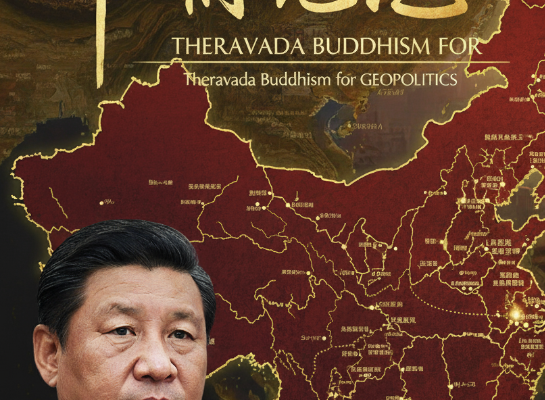
Beijing’s Diplomatic Appropriation of Theravada Buddhism

Beijing’s Diplomatic Appropriation of Theravada Buddhism

Under Xi Jinping, the CCP is weaponizing Theravada Buddhism for diplomacy and the Belt and Road Initiative. While temples in Yunnan face shortages and neglect, Beijing projects Buddhist imagery abroad to secure influence in Southeast Asia, from relic diplomacy in Myanmar to blocking the Dalai Lama in Sri Lanka. This strategy exposes the Party’s instrumental use of religion at the expense of authentic Buddhist practice.

Read More
HH Dalai Lama

What Does Tibetan Buddhism Believe?

Tibetan Buddhism, also known as Vajrayana Buddhism, is a unique and intricate form of Buddhism that combines elements of Mahayana Buddhism with various tantric and shamanistic practices native to the Himalayan region. It is widely practiced in Tibet, Bhutan, Nepal, India, Mongolia, and parts of Russia. Tibetan Buddhism is renowned for its rich rituals, profound philosophical texts, and an emphasis on the path to enlightenment through both wisdom and compassion. Core Beliefs and Practices 1. The Four Noble Truths and the Eightfold PathLike all Buddhist traditions, Tibetan Buddhism is rooted in the Four Noble Truths and the Eightfold Path. These foundational teachings outline the nature of suffering, its causes, the possibility of cessation, and the path leading to the cessation of suffering. 2. The Bodhisattva IdealTibetan Buddhism places a strong emphasis on the bodhisattva path, wherein practitioners aspire to achieve enlightenment not just for themselves but for the benefit of all sentient beings. This involves cultivating qualities such as compassion (karuna) and loving-kindness (metta). Tantric Practices One of the defining features of Tibetan Buddhism is its extensive use of tantra, which includes advanced meditation techniques, rituals, and esoteric practices. Tantric practices aim to transform ordinary experiences into opportunities for spiritual growth. Key elements include: The Role of Lamas and Tulkus Lamas: Tibetan Buddhism places great importance on spiritual teachers known as lamas. They provide guidance, perform rituals, and transmit teachings. The most renowned lama is the Dalai Lama, considered the spiritual leader of Tibetan Buddhism. Tulkus: Another unique aspect of Tibetan Buddhism is the belief in tulkus, or reincarnated lamas. High-ranking lamas, upon their death, are believed to reincarnate and are sought out through a meticulous process. The Dalai Lama and the Panchen Lama are among the most famous tulkus. Rituals and Festivals Tibetan Buddhism is rich in cultural and religious festivals that reflect its spiritual beliefs and practices. These festivals often involve elaborate rituals, prayers, dances, and communal activities that mark significant events in the Buddhist calendar. Here are some key Tibetan Buddhist festivals: Losar (Tibetan New Year) Losar is the most significant festival in Tibetan Buddhism, celebrating the Tibetan New Year. It usually falls in February or March and lasts for 15 days, with the first three days being the most important. The festival involves various customs such as cleaning homes, preparing special foods, performing rituals to drive away evil spirits, and visiting monasteries to offer prayers and receive blessings. 2. Monlam (The Great Prayer Festival) Monlam Chenmo is one of the grandest festivals, established by Tsongkhapa, the founder of the Gelug school of Tibetan Buddhism. Held in the first month of the Tibetan calendar, Monlam includes extensive prayer sessions, teachings, and debates by monks, aiming for world peace and spiritual prosperity. The festival culminates with rituals and public displays of intricate butter sculptures called torma. 3. Saga Dawa Saga Dawa is the celebration of the Buddha’s birth, enlightenment, and parinirvana (passing away). It occurs on the full moon day of the fourth lunar month. Buddhists engage in various meritorious activities, such as fasting, reciting sutras, making offerings, and releasing animals. Pilgrims visit sacred sites, including Mount Kailash, to perform circumambulations and offer prayers. 4. Chotrul Duchen (Festival of Butter Lamps) Chotrul Duchen, also known as the Festival of Butter Lamps, takes place on the 15th day of the first month of the Tibetan calendar. It commemorates the Buddha’s performance of miracles to increase the faith of his disciples. Monasteries and homes are illuminated with thousands of butter lamps, symbolizing the light of wisdom dispelling the darkness of ignorance. 5. Lhabab Duchen Lhabab Duchen celebrates the Buddha’s descent from the Tushita heaven back to Earth, after teaching his mother and other celestial beings. This festival is observed on the 22nd day of the ninth lunar month. It involves making offerings, lighting lamps, and performing various rituals to honor the Buddha’s return and spread of his teachings. 6. Ganden Ngamchoe Ganden Ngamchoe marks the death anniversary of Je Tsongkhapa, the founder of the Gelug tradition. Celebrated on the 25th day of the 10th lunar month, the festival includes lamp offerings, prayers, and the recitation of Tsongkhapa’s works. Monks and laypeople gather to honor his contributions to Tibetan Buddhism. 7. Dzamling Chisang (Universal Prayer Day) Dzamling Chisang is a festival of universal prayer and offerings, held on the 15th day of the fifth lunar month. It commemorates the great saint Guru Rinpoche’s subjugation of negative forces and establishment of Buddhism in Tibet. Pilgrims visit sacred sites, make offerings, and perform rituals to invoke the blessings of Guru Rinpoche. 8. Shoton Festival (Yogurt Festival) Shoton Festival originally began as a monastic retreat during which monks consumed only yogurt. Today, it is a major cultural event held in Lhasa, involving Tibetan opera performances, music, and dance. The festival starts on the 30th day of the sixth lunar month with the unfurling of a giant thangka (religious painting) at Drepung Monastery, followed by festivities at Norbulingka Palace. 9. Thangka Unveiling Ceremony Several festivals feature the unveiling of giant thangkas (religious paintings), which are displayed to convey blessings and teachings. Notable ceremonies include those during the Monlam Great Prayer Festival and the Shoton Festival. These events draw large crowds of pilgrims and tourists who come to view the thangkas and participate in the associated rituals. 10. Palden Lhamo Festival Palden Lhamo Festival is dedicated to Palden Lhamo, a fierce female protector deity of Tibetan Buddhism. Celebrated on the 15th day of the ninth lunar month, the festival includes rituals and prayers to invoke her protection and blessings. Monasteries hold special ceremonies, and devotees offer prayers and perform rituals to honor her. Tibetan Buddhist festivals are vibrant expressions of spiritual devotion, community solidarity, and cultural heritage. They provide opportunities for practitioners to accumulate merit, deepen their practice, and celebrate the teachings of Buddhism. These festivals, marked by elaborate rituals, prayers, and communal activities, play a crucial role in preserving and promoting the rich traditions of Tibetan Buddhism. Essential Books to Understand Tibetan Buddhism These…

Read More

Digital Buddhism: How Monks, Nuns & Influencers Are Bringing Ancient Wisdom Online

The Rise of Buddhist Influencers on TikTok, YouTube, and Instagram In the age of constant connectivity, Buddhist monks and spiritual teachers are becoming digital influencers. From serene monasteries to vibrant Instagram feeds, they are delivering timeless teachings through short videos, live sessions, and visual storytelling. On platforms like TikTok and YouTube, you’ll find monks sharing lessons on mindfulness, karma, and compassion in 60-second reels. Influencers such as Ajahn Brahm, Pomnyun Sunim, and Kodo Nishimura have built large global followings, sharing Buddhist perspectives with modern-day seekers. These influencers offer a fresh, relatable entry point into the Dharma — reaching people who may never step inside a temple but are searching for meaning online. Why Millennials and Gen Z Are Turning to Digital Dharma Younger generations are deeply spiritual — but not always religious. Millions now seek Buddhism for beginners online, often searching for: With mental health issues on the rise, many turn to meditation apps, YouTube Dharma talks, and TikTok mindfulness tips. Digital Buddhism offers them something traditional institutions can’t always provide: immediate, personal, and visual wisdom — anytime, anywhere. How Buddhist Teachings Align with the Digital World At first glance, it may seem like Buddhism and technology are at odds — but they share surprising parallels: Digital Dharma may be fast-moving, but the teachings remain timeless. Influencers often center their content around Buddhist meditation, mental health, and living ethically in a digital age. Is Dharma on Social Media Authentic or Diluted? Some traditionalists worry that Dharma in a digital format risks becoming shallow or overly simplified. After all, can enlightenment be found in a 15-second reel? But Buddhism has always adapted to the times — from oral traditions to printed sutras to YouTube videos. What matters most is intention: are the teachings helping people suffer less? When influencers maintain authentic practice, quote reliable sources (like the Tipiṭaka or teachings of the Buddha), and share insights grounded in ethical conduct and compassion, digital content becomes a bridge — not a barrier — to the real Dharma. The Future of Buddhism: Hybrid, Accessible, Global The future is not online or offline — it’s hybrid. Digital Buddhism is not replacing monasteries; it’s expanding their reach. Whether you’re in New York, New Delhi, or Nairobi, you can now: This is the future of Buddhism: global, accessible, and deeply human. Conclusion: Following the Path — Even Through a Screen Digital Buddhism is not a trend — it’s a transformation. It makes the Eightfold Path available in your pocket. It turns scrolling into reflection. It shows that awakening isn’t bound to geography or robes — it begins wherever you are. So next time you see a monk on TikTok, take a moment to pause. That may be your first mindful breath — your entry to the path of wisdom in the digital age.

Read More

Buddhist Psychology & Neuroscience: Where Ancient Wisdom Meets Modern Science

In the last few decades, scientists have begun to confirm what Buddhist monks and meditators have known for over 2,500 years:The mind can be trained. Suffering can be transformed. Awareness changes the brain. From Buddhist models of the mind like the Abhidhamma to the latest discoveries in neuroscience and mindfulness research, a powerful bridge is forming — offering new hope for healing trauma, depression, anxiety, and addiction. Let’s explore how Buddhist psychology and neuroscience are aligning in profound, life-changing ways. What Is Buddhist Psychology? Unlike Western psychology, which often focuses on diagnosing disorders and treating symptoms, Buddhist psychology is fundamentally ethical and experiential. It sees the mind not as a fixed thing, but as a dynamic process shaped by intention, perception, and karma. At its core, Buddhist psychology aims at liberation — freeing the mind from greed, hatred, and delusion through practices like mindfulness (sati), concentration (samadhi), and wisdom (paññā). The Abhidhamma: A Map of Consciousness The Abhidhamma Pitaka, one of the core texts in Theravāda Buddhism, offers a deep, analytical model of the mind. It breaks consciousness into: It categorizes emotions, thoughts, and mental habits with remarkable precision — long before modern psychology or neuroscience emerged. Today, cognitive science is beginning to mirror this complexity, using fMRI and neuroimaging to identify neural correlates of emotion, attention systems, and habit loops — echoing the Buddhist insight that the mind is conditioned, impermanent, and trainable. Neuroscience Meets Mindfulness In clinical and lab settings worldwide, Buddhist meditation practices are being studied for their powerful effects on the brain. The science is clear: Meditation for Trauma, Depression & Addiction Psychologists and neuroscientists are now using Buddhist-inspired techniques in treatments for: In all these cases, the emphasis is not just on symptom reduction — but on transforming one’s relationship to pain, emotion, and the self. Karma, Neuroplasticity & the Changing Brain A core idea in Buddhist psychology is that the mind is not static. We are what we repeatedly think and do. This aligns beautifully with the modern concept of neuroplasticity — the brain’s ability to rewire itself through repetition and intention. The Buddhist path is, in this sense, a science of mind: a step-by-step method for rewiring the brain toward compassion, clarity, and freedom. The Promise of Integration The convergence of Buddhism and neuroscience is not about merging belief systems, but about deepening our understanding of what it means to be human.Therapists, researchers, monks, and meditators are now co-creating a world where contemplative wisdom and cognitive science support one another — from hospitals to classrooms to meditation centers. This integration gives rise to: Final Thoughts: A Mindful Revolution As Buddhist psychology and neuroscience continue to evolve side by side, the message is hopeful and urgent:We can train the mind. We can reshape the brain. And we can heal — not just individually, but collectively. In a world grappling with mental health crises and digital overload, the ancient insights of the Buddha offer not just relief, but a radical path of inner transformation.

Read More

Buddhism & AI : Can AI Attain Enlightenment

In an era where artificial intelligence, machine learning, and virtual reality are reshaping how we live, work, and even think — it’s only natural that people are asking:Can AI attain enlightenment?What do Buddhist ethics say about AI, consciousness, and the future of human values? This article explores the intersection of Buddhism and technology from both a philosophical and ethical perspective, offering insights grounded in ancient wisdom and relevant to today’s digital world. What Is Enlightenment in Buddhism? Before asking whether AI can be enlightened, we must first understand what enlightenment (bodhi) means in Buddhism. In the Buddhist tradition, enlightenment is the realization of the Four Noble Truths and liberation from samsara, the cycle of birth, death, and rebirth. This realization involves deep experiential insight into: Achieving enlightenment also requires mindfulness (sati), ethical conduct (sīla), mental cultivation (samādhi), and wisdom (paññā) — all developed through intentional effort, karma, and rebirth. AI lacks all of these in the Buddhist sense. Can Artificial Intelligence Be Conscious? This is a hot topic not only in Buddhism, but in philosophy, neuroscience, and AI ethics. Despite advances in machine learning, natural language processing, and even emotional simulation, current AI lacks sentience — the ability to have subjective experiences. It also lacks intention (cetana), which is a core component of karma in Buddhist psychology. In the Anguttara Nikāya 6.63, the Buddha says:“It is volition, monks, that I call karma; for having willed, one acts by body, speech, and mind.” AI cannot generate karma, because it does not intend in the ethical or moral sense. It processes data, not suffering. It simulates thought, not wisdom. So while people often search online for “can AI attain enlightenment,” the Buddhist answer is clear:AI cannot be enlightened because it does not have consciousness or moral volition. Buddhist Ethics in the Age of AI Even though AI cannot be enlightened, Buddhism has a lot to say about how we use AI. One of the core aspects of Buddhist practice is ethics (sīla) — guidelines for actions that reduce harm and increase well-being for all beings. As AI becomes embedded in everything from healthcare to warfare to digital entertainment, Buddhist ethics urge us to ask: For example: People are increasingly searching for “ethical AI from a Buddhist perspective” or “spiritual responsibility in tech development” — and Buddhism provides a rich ethical framework for those discussions. Virtual Reality and Buddhist Practice One of the most interesting intersections is between Buddhism and virtual reality (VR). Imagine a digital zendo or forest monastery where practitioners can meditate together from anywhere on Earth. VR meditation apps, AI Dharma teachers, and immersive retreats in the metaverse are already emerging. While VR may not replace real-world mindfulness and meditation, it can help people access the teachings, create community, and explore consciousness in new ways. Still, Buddhism reminds us: liberation comes not from escape into fantasy, but from direct awareness of reality, just as it is. So the challenge becomes using VR mindfully, not as a distraction but as a tool for awakening. The Future of Technology and Buddhist Wisdom As technology advances, the Dharma remains timeless. While AI cannot attain enlightenment, we — as humans — must ask how we use these tools. Can they serve compassion instead of greed?Can we build technologies that promote mindfulness, ethics, and wisdom — not just efficiency and profit? The Buddhist path is about awakening, and the modern world gives us both incredible distractions and powerful opportunities. With right view and right intention, we can shape a digital future aligned with Buddhist values. Key Takeaways

Read More

Rebirth & Karma in the Modern World: Can You Believe in Them Today?

What Is Rebirth in Buddhism? In Buddhism, rebirth is not the same as reincarnation. When people search for “rebirth vs reincarnation,” they’re often confused by how the two differ. Buddhism teaches that there is no permanent soul or self (anattā) that migrates from one life to the next. Instead, consciousness continues through causes and conditions (paticca samuppāda). “It is volition, monks, that I call kamma; for having willed, one acts by body, speech, and mind.” — Anguttara Nikāya 6.63 This means what we call “you” is actually a dynamic stream of mental formations, habits, and actions, not a static self. Rebirth is the continuation of that stream — conditioned by kamma (Pāli for karma). Is Rebirth Scientific? Can You Believe in Rebirth Today? A common Google search today is: “Can you believe in rebirth in the modern scientific world?” And the answer is — you don’t need to suspend reason to consider the Buddhist view. While Buddhism does not depend on blind faith, it invites deep contemplation. The Buddha encouraged inquiry: “Do not go by reports, by legends, by traditions… but when you know for yourselves: ‘These things are wholesome…’ then accept them.” — Kalama Sutta (AN 3.65) In recent decades, researchers like Dr. Ian Stevenson and Dr. Jim Tucker from the University of Virginia studied thousands of verified cases where children remembered past lives with striking accuracy — including names, locations, and causes of death. These scientifically documented cases of rebirth are now frequently searched online, especially under terms like “proof of reincarnation” or “scientific evidence for rebirth.” Although science has not definitively proven rebirth, it has not disproven consciousness beyond brain activity, either — leaving room for exploration. What Is Karma in Buddhism? (And What It’s Not) When people type “What is karma in Buddhism?” into Google, they’re often met with confusing or misleading answers. Let’s be clear:Karma is not fate, and it is not divine punishment. In early Buddhism, karma means intentional action — and its ethical consequences. “Intention, I tell you, is kamma.” — Anguttara Nikāya 6.63 Everything we think, say, or do shapes our future. This includes not only our external circumstances but also our internal landscape — our thoughts, emotions, and tendencies. Modern psychology now echoes this with studies showing that habits shape the brain. This is why Buddhism and neuroscience is a trending search — people want to understand how karma connects to mental patterns, neuroplasticity, and personal transformation. So, if you’re wondering, is karma real?, the Buddhist answer is simple: karma is not some invisible cosmic retribution, but a natural law of cause and effect rooted in ethical intention. How Rebirth and Karma Affect Daily Life You don’t have to be a monk or scholar to see how karma works in everyday life. People who search for “how karma affects your life” or “how to create good karma” are looking for actionable, real-life insight. Here’s the Buddhist view: In this way, rebirth happens moment to moment — not just after death. This idea of psychological rebirth is especially powerful in the modern world. “With our thoughts, we make the world.” — Dhammapada 1:1 Can I Be a Buddhist Without Believing in Rebirth? This is one of the most asked questions on forums like Quora and Reddit:“Can I be a Buddhist without believing in rebirth?” Yes — many people today identify as secular Buddhists or practical Buddhists, applying mindfulness, ethics, and meditation to daily life without necessarily accepting rebirth literally. However, even a metaphorical understanding of rebirth — as the unfolding of habits, choices, and consequences — still holds great value. For example, the Dalai Lama has said: “Whether you accept rebirth or not, it is important to live a life of compassion, non-violence, and responsibility.” Buddhism, Karma, and the Brain There’s growing interest in the overlap between Buddhist psychology and modern neuroscience. Searches like “Buddhism and the mind,” “karma and brain science,” and “meditation rewires the brain” have skyrocketed in recent years. Buddhist teachings on mental formations (saṅkhāra) and habitual patterns closely mirror what we now understand through neuroplasticity. In simple terms: repeated thoughts and actions shape your brain — just like karma teaches. “All experiences are preceded by mind, led by mind, made by mind.” — Dhammapada 1:1 This is karma in real time. You’re constantly shaping your consciousness. 🧭 Final Reflection: Why Rebirth and Karma Still Matter Today In an age dominated by instant gratification, AI, and materialism, Buddhist ideas like rebirth and karma remind us to pause, reflect, and take responsibility for our lives. They offer: Whether taken literally, metaphorically, or philosophically, these teachings encourage a life of mindfulness, compassion, and accountability. “Just as a seed produces fruit, so too does intentional action bear results.” — Majjhima Nikāya 57

Read More